Process Overview: This process focuses on manufacturing industrial solid rubber powder wheels (universal casters, trolley wheels, industrial load-bearing wheels) by using recycled tire rubber powder as the core raw material. The whole process includes recycled rubber powder pretreatment, ingredient mixing, rubber compound refining, compression molding, vulcanization and post-finishing. It features low cost, high wear resistance and strong load-bearing capacity, which is widely applicable to industrial trolley, logistics and equipment supporting wheels.
Stage 1: Recycled Rubber Powder Pretreatment
1. Powder Screening & Impurity Removal Adopt 40–120 mesh qualified recycled rubber powder from waste tires, conduct secondary vibrating screening and magnetic separation to completely remove residual steel wires, fiber sundries and coarse particles, ensuring uniform and pure rubber powder raw materials for wheel production.
2. Powder Activation & Drying Perform low-temperature activation modification on rubber powder to eliminate vulcanization inertia, improve the bonding activity of rubber powder. Meanwhile, dry the rubber powder to control moisture content within the standard range, avoiding bubbles and cracks in finished rubber powder wheels.
Stage 2: Raw Material Batching & Mixing
1. Formula Batching According to the load-bearing and wear-resistant standard of rubber powder wheels, mix activated recycled rubber powder with vulcanizing agent, accelerator, stearic acid, coumarone resin, softener and other auxiliary materials in precise proportion to form a dedicated formula for solid rubber wheels.
2. High-speed Mixing & Internal Refining Put all batched raw materials into a high-speed mixer for uniform stirring, then transfer to an internal mixer for high-temperature closed refining. Make the rubber powder fully fused with auxiliary materials to form dense, uniform and plastic rubber compound, ensuring the overall performance consistency of rubber wheels.
Stage 3: Rubber Powder Wheel Molding & Vulcanizing Press
1. Pre-forming Blank Making Press the refined rubber compound into regular rubber blanks matching the size of rubber wheel molds through a rubber vulcanizing press, trim the blanks to ensure neat edges and consistent weight, and prepare for mold pressing.
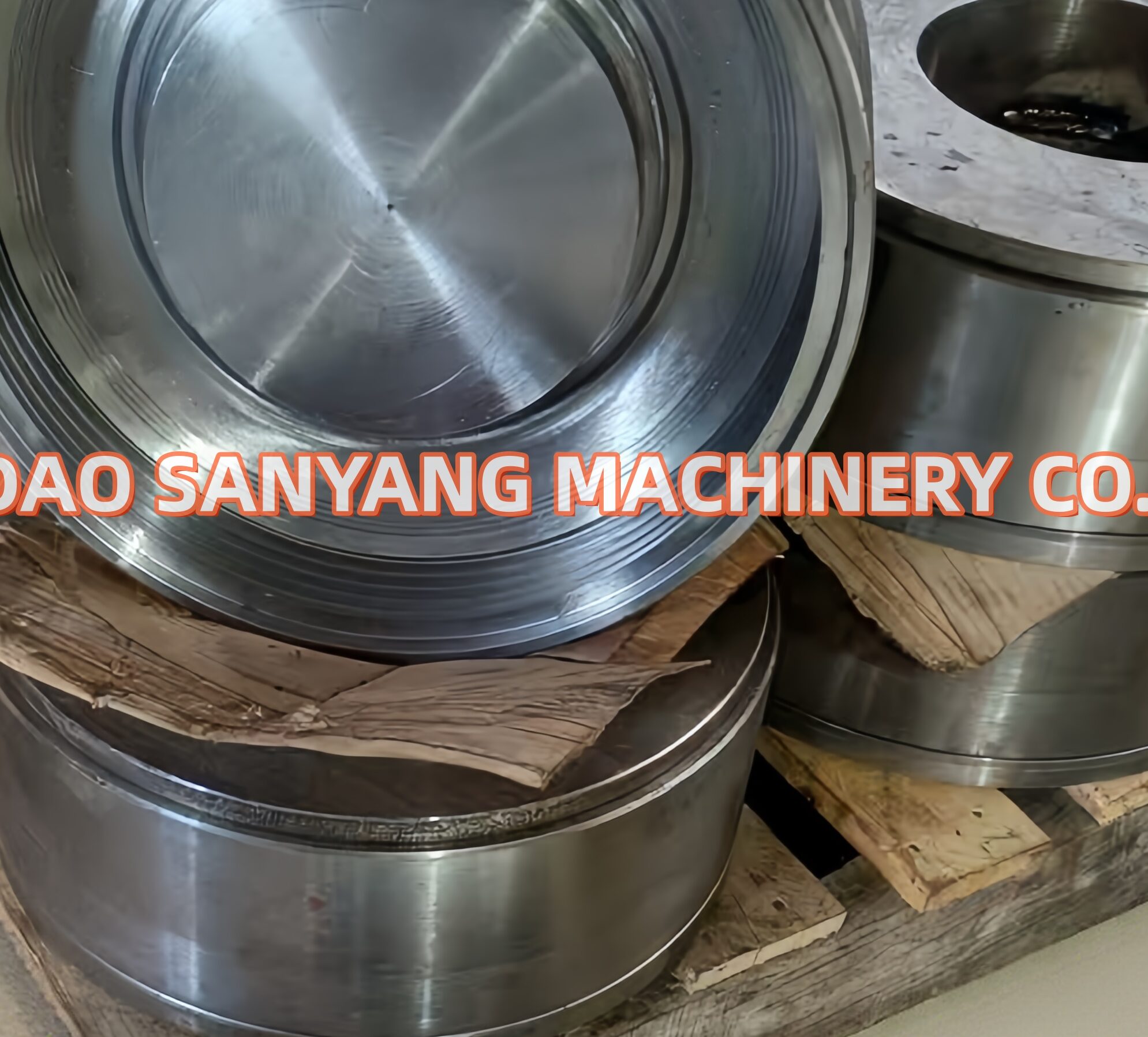
2. Mold Compression Molding Place the rubber blanks into customized rubber wheel metal molds, conduct mechanical compression to fill the mold cavity completely, and form preliminary solid rubber powder wheel blanks with complete outline.
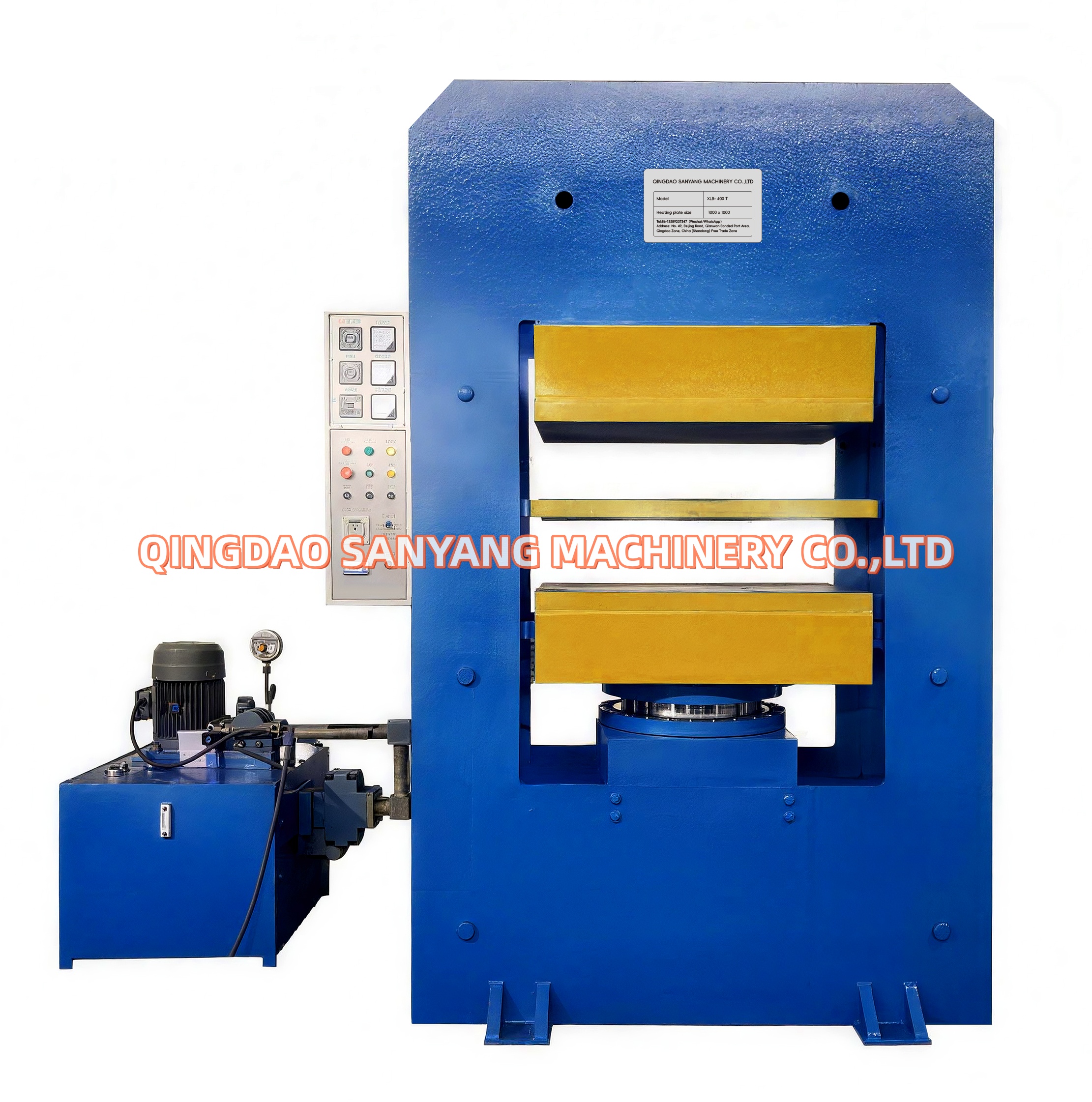
3. High-temperature & High-pressure Vulcanizing press Keep the molded wheel blanks in vulcanizing machine under fixed high temperature and high pressure for timed vulcanization. The rubber powder molecules undergo cross-linking reaction to form high-strength, wear-resistant and elastic stable rubber structure, which determines the hardness, bearing capacity and service life of the rubber powder wheels.
Stage 4: Post-processing & Quality Inspection
1. Deflashing & Polishing Take out the vulcanized rubber powder wheels, remove surface burrs, flash edges and residual rubber materials through mechanical trimming or manual finishing, then polish the wheel surface to make it smooth and flat.
2. Performance Testing Conduct dimensional inspection, hardness test, load-bearing compression test, wear resistance test and elastic detection on finished rubber powder wheels to screen out qualified products that meet industrial use standards.
3. Assembly & Warehousing Install bearings, wheel shafts and brackets for qualified rubber powder wheels as required, complete caster assembly, and finally label, package and store the finished products.